Why More Nigerians Are Choosing Germany Over Canada in 2026

For years, Canada dominated the migration dreams of young Nigerians.
If you asked graduates in Lagos, Abuja, Port Harcourt, or Benin City where they hoped to relocate, the answer was almost always Canada. The country represented stability, permanent residency, good salaries, safer streets, and a system that appeared more predictable than life back home.
But something changed between 2023 and 2026.
Canada became significantly more expensive. Housing costs exploded. International students struggled to find affordable accommodation. Immigration targets tightened. Part-time jobs became harder to secure in major cities. At the same time, Germany quietly became one of the most attractive alternatives for Nigerians looking abroad.
Today, more Nigerians are considering Germany not because it is easier, but because financially it often makes more sense.
Germany offers lower tuition, cheaper living costs outside major cities, a growing demand for skilled workers, and access to Europe’s wider economy. For many Nigerians, especially students and STEM professionals, Germany now feels more realistic than Canada.
Quick Summary
Why Canada still wins: Better PR pathways, English-speaking environment, larger Nigerian communities, and easier social integration.
Why Germany is rising: Lower tuition, cheaper migration costs, strong engineering demand, and better affordability overall.
Main difference: Canada is easier socially. Germany is easier financially.
Best for students: Germany if budget matters. Canada if permanent residency matters more.
Most important reality: Germany demands more adaptation, especially with language and bureaucracy.
1. Canada Became Much More Expensive

The biggest reason many Nigerians are reconsidering Canada is simple: money.
In the early 2020s, Canada already required significant funds, but by 2026 the costs became dramatically higher. International students now face tuition fees that can exceed CA$30,000 yearly while rent in cities like Toronto and Vancouver continues climbing.
For many middle-class Nigerian families, the numbers stopped feeling sustainable.
A parent who could previously support a child abroad now has to think about exchange rates, inflation, proof-of-funds requirements, housing deposits, and unpredictable living expenses.
Even students who successfully arrive in Canada often struggle during their first year because the cost of living is much higher than expected.
Typical Canadian Student Costs in 2026
| Expense | Estimated Cost |
|---|---|
| Tuition (1 year) | CA$22,000-35,000 |
| Guaranteed Investment Certificate | CA$20,635 |
| Visa + biometrics | CA$235 |
| Flight from Lagos | CA$1,500-2,500 |
| First 3 months living costs | CA$5,000-8,000 |
| Total realistic budget | CA$50,000-65,000 |
At current exchange rates, that can easily exceed ₦55-70 million for a single year abroad.
That financial pressure is one of the main reasons Germany has become more attractive.
2. Germany’s Tuition Structure Changed Everything

The single biggest advantage Germany has over Canada is tuition.
Most public universities in Germany charge little or no tuition fees, even for international students. Instead of paying tens of thousands yearly like students in Canada, many Nigerian students in Germany only pay small semester administrative fees.
That difference completely changes the migration equation.
For families comparing options, Germany immediately looks more realistic financially.
Typical German Student Costs in 2026
| Expense | Estimated Cost |
|---|---|
| Public university tuition | €0-1,500/year |
| Blocked account | €11,904 |
| Visa fees | €75-150 |
| Flight | €500-900 |
| Accommodation setup | €1,500-3,000 |
| Total realistic budget | €15,000-18,000 |
Germany is not free, despite what social media sometimes claims. Students still need accommodation, health insurance, food, transportation, and emergency savings.
But compared to Canada, the financial barrier is much lower.
Important: Many Nigerians underestimate the blocked account requirement in Germany. This money proves you can support yourself while studying and must be available before your visa approval.
3. Housing Costs Changed Canada’s Reputation

Canada’s housing crisis changed how many Nigerians view relocation.
For years, moving abroad was associated with comfort and stability. But by 2026, stories of students sharing crowded apartments became increasingly common.
Rent prices in Toronto and Vancouver shocked many newcomers.
Even professionals earning decent salaries found housing difficult.
Average Shared Rent Comparison
| City | Average Shared Rent |
|---|---|
| Toronto | CA$900-1,500 |
| Vancouver | CA$1,000-1,700 |
| Calgary | CA$700-1,100 |
| Berlin | €500-900 |
| Leipzig | €300-600 |
| Dresden | €350-650 |
Germany has housing challenges too, especially in Berlin and Munich. But smaller cities remain significantly more affordable than Canada’s major urban centers.
That affordability matters enormously during the first year abroad when income is unstable.
4. Germany Needs Skilled Workers

Germany’s population is aging rapidly, and the country urgently needs skilled workers.
This creates opportunities in sectors like:
- Engineering
- Software development
- Healthcare
- Construction
- Industrial manufacturing
- Automation
- Renewable energy
For Nigerians with STEM backgrounds, Germany increasingly aligns with their qualifications.
The country remains one of the strongest industrial economies in Europe, and companies continue searching for workers capable of filling technical roles.
This does not mean jobs are automatic. Germany still expects qualifications, professionalism, and often language ability.
But compared to several countries where migrants struggle to secure jobs matching their degrees, Germany offers clearer demand in technical sectors.
5. Canada Still Has the Better Immigration System

Even with Germany’s rise, Canada still dominates one category: immigration structure.
Canada’s immigration pathways are easier to understand.
Programs like Express Entry, Provincial Nominee Programs, and Post-Graduation Work Permits create visible routes toward permanent residency.
That clarity matters to migrants planning long-term settlement.
Germany can absolutely lead to permanent residency and citizenship too, but the process often feels slower and more bureaucratic.
Many Nigerians still prefer Canada because they understand the roadmap more clearly.
Reality check: Canada’s immigration system is easier to understand, but not necessarily easier to succeed in. Competition has increased significantly since 2022.
6. Language Remains Germany’s Biggest Challenge

This is the part many migration influencers downplay.
Germany requires adaptation.
Outside major international companies and universities, German language ability matters in daily life.
Even simple activities like apartment hunting, government appointments, or healthcare visits may require German communication.
For Nigerians used to operating entirely in English, this adjustment can feel overwhelming initially.
Canada avoids this problem almost entirely.
A Nigerian arriving in Toronto or Calgary can immediately function socially and professionally in English.
In Germany, long-term success usually depends on eventually learning the language.
Where German Language Helps Most
- Part-time jobs
- Full-time employment opportunities
- Government processes
- Healthcare communication
- Social integration
- Career growth
The Nigerians who adapt best in Germany are usually the ones who accept early that learning German is part of the migration process.
7. Germany Fits Engineers Better
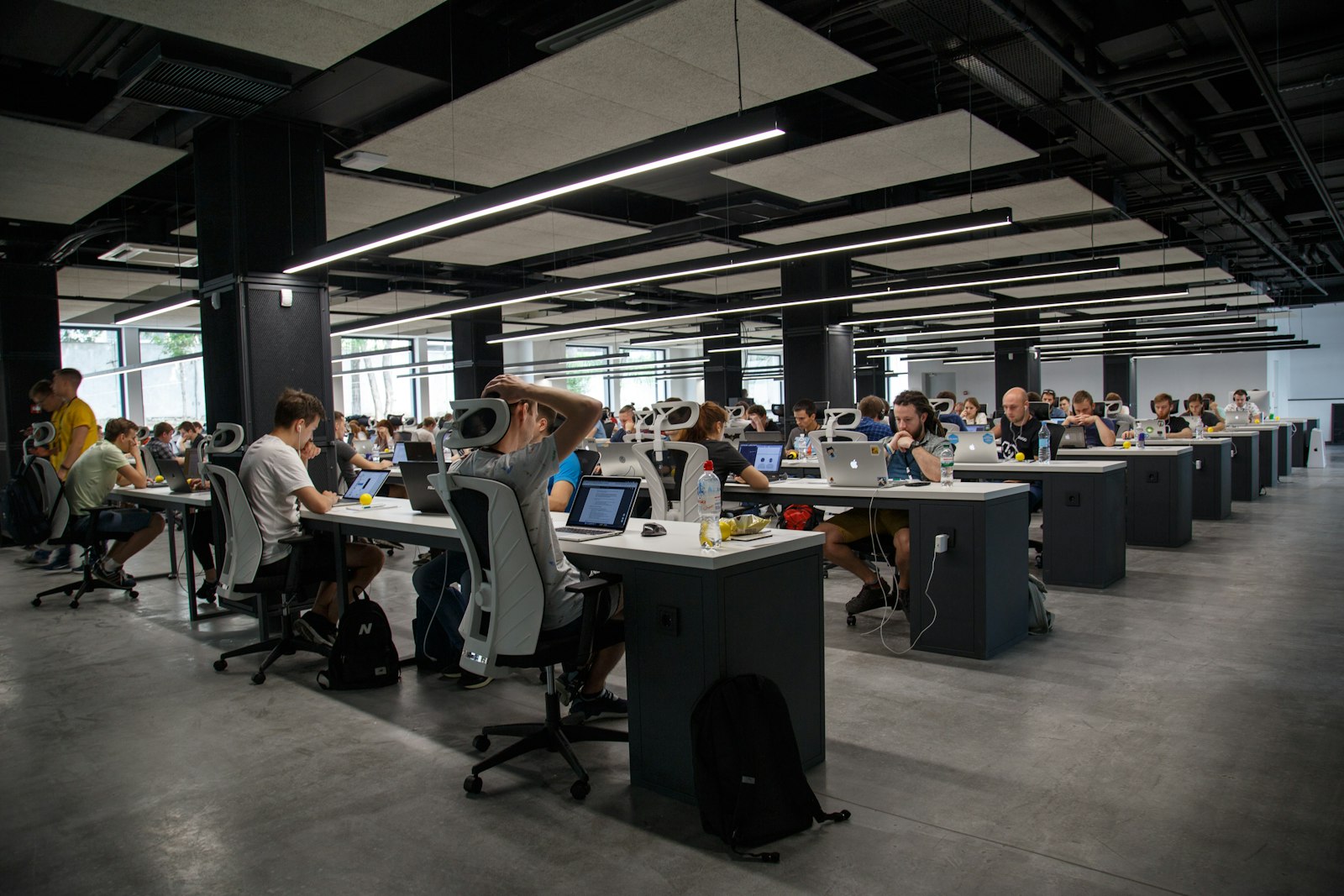
Germany increasingly makes sense for technical professionals.
The country dominates industries like automotive engineering, manufacturing, industrial automation, and renewable energy.
For Nigerian engineers, this creates strong alignment between education and employment demand.
Canada still offers excellent opportunities too, but Germany’s industrial structure often benefits technical graduates directly.
Many Nigerians studying engineering now specifically target Germany because the economy rewards those skills strongly.
8. Nigerian Communities Still Matter

One reason Canada became so popular among Nigerians was community.
Toronto, Calgary, Edmonton, and Winnipeg already contain large Nigerian populations.
That support system matters more than many people realize.
Community means:
- Housing advice
- Churches and social groups
- Job referrals
- African grocery stores
- Emotional support
- Shared migration experience
Germany’s Nigerian communities are growing but remain smaller.
For some migrants, this is not a problem. For others, especially families, it heavily influences settlement success.
9. Germany Rewards Patience

Canada often feels easier in the beginning.
Germany often becomes rewarding later.
That is one of the clearest ways to understand the difference between the two countries.
Canada offers easier communication, quicker cultural familiarity, and clearer immigration language.
Germany offers affordability, technical opportunities, and access to the broader European economy.
The tradeoff is adaptation difficulty.
Many Nigerians now recognize this and choose based on personality and financial reality rather than hype.
Final Thoughts

Germany is not replacing Canada completely.
Canada still remains one of the strongest migration destinations for Nigerians seeking permanent residency and long-term settlement.
But Germany is no longer a hidden option.
In 2026, it has become one of the most realistic alternatives for Nigerians who prioritize affordability, education, and technical career opportunities.
The migration conversation is changing.
Nigerians are becoming more strategic, more financially aware, and more realistic about what relocation actually costs.
People are asking harder questions now:
- Can I actually afford this country?
- Will I survive the first year financially?
- How long before I become stable?
- Will my qualification matter there?
For many Nigerians, Germany increasingly answers those questions better than Canada.
Not because Germany is easier.
But because in 2026, affordability itself has become one of the biggest migration advantages in the world.
Next step: Before choosing any country, calculate your complete migration budget honestly, including accommodation, emergency savings, transportation, and your first six months abroad. The smartest migration plan is the one you can realistically sustain after arrival.
This article was updated in May 2026 using publicly available migration trends, tuition estimates, housing data, and visa requirements affecting Nigerian applicants. Immigration policies and costs change frequently. Always verify the latest information directly through official government and university websites before applying.